


Security that matches the speed of your tech
You ship several times a day. Testing that runs after release, or once a quarter, is always describing an application you no longer have. Escape runs in the pipeline, proves what is actually exploitable, and files it where your engineers already work.




Shipping got faster. Testing got more expensive.
And without clear, actionable remediation, and with frequent false positives, it becomes difficult to engage developers effectively. This strain on relationships means issues continue to be unresolved.
Teams struggle to sort through the noise, which makes it easy to overlook critical vulnerabilities. For security teams already stretched thin, the operational burden of sorting through unreliable scanner output is unsustainable.

What changes for tech security teams with Escape
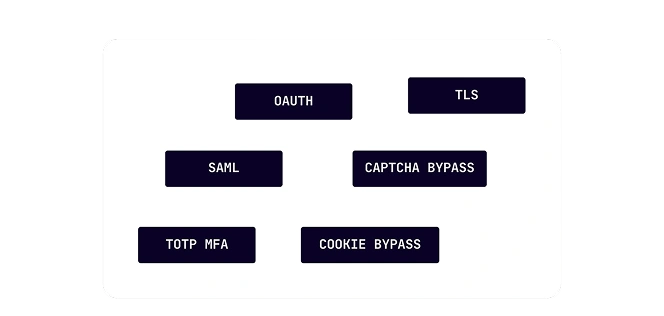
Business logic testing, across roles and multi-step flows
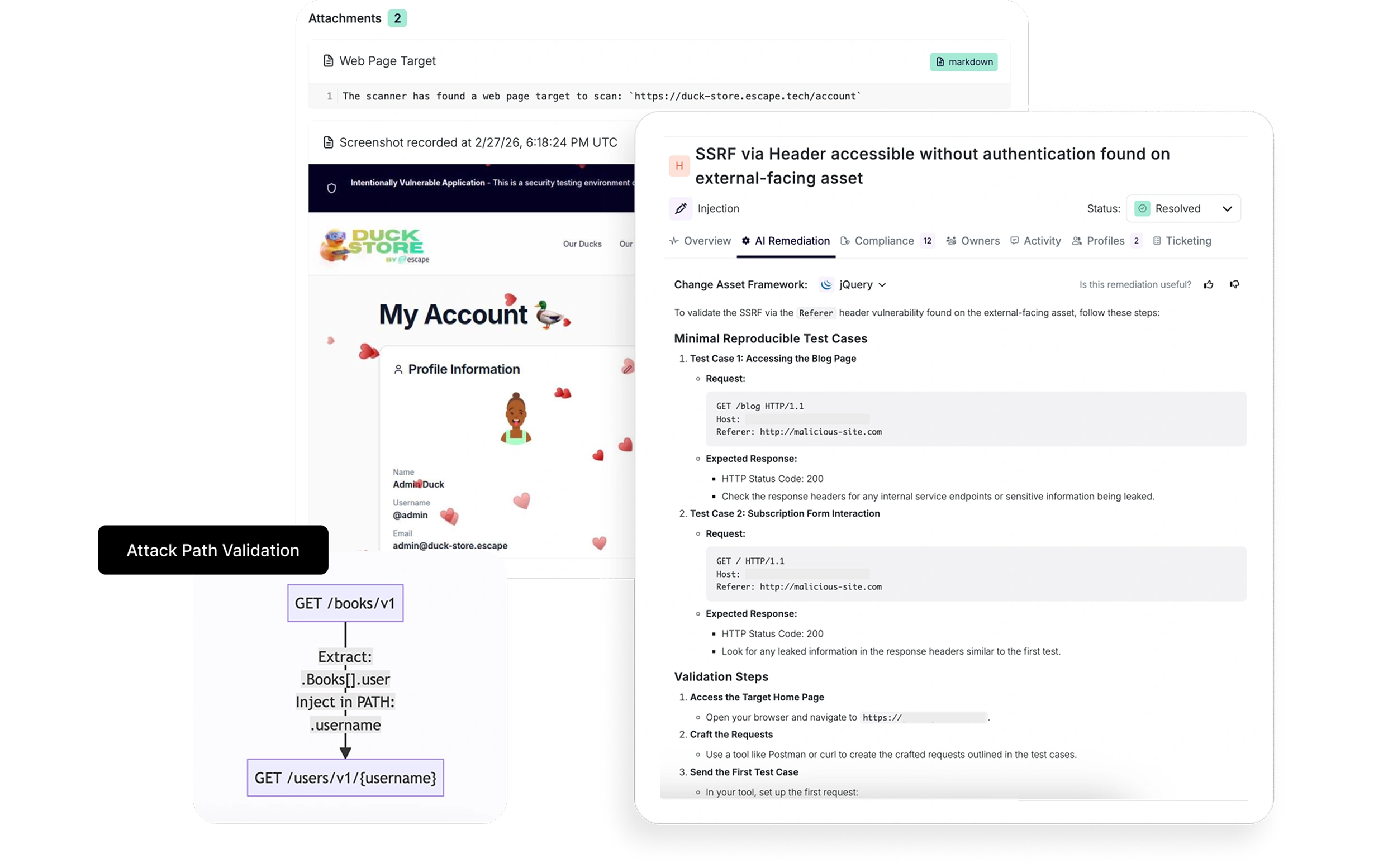
Built to support outnumbered security teams and multiply their impact
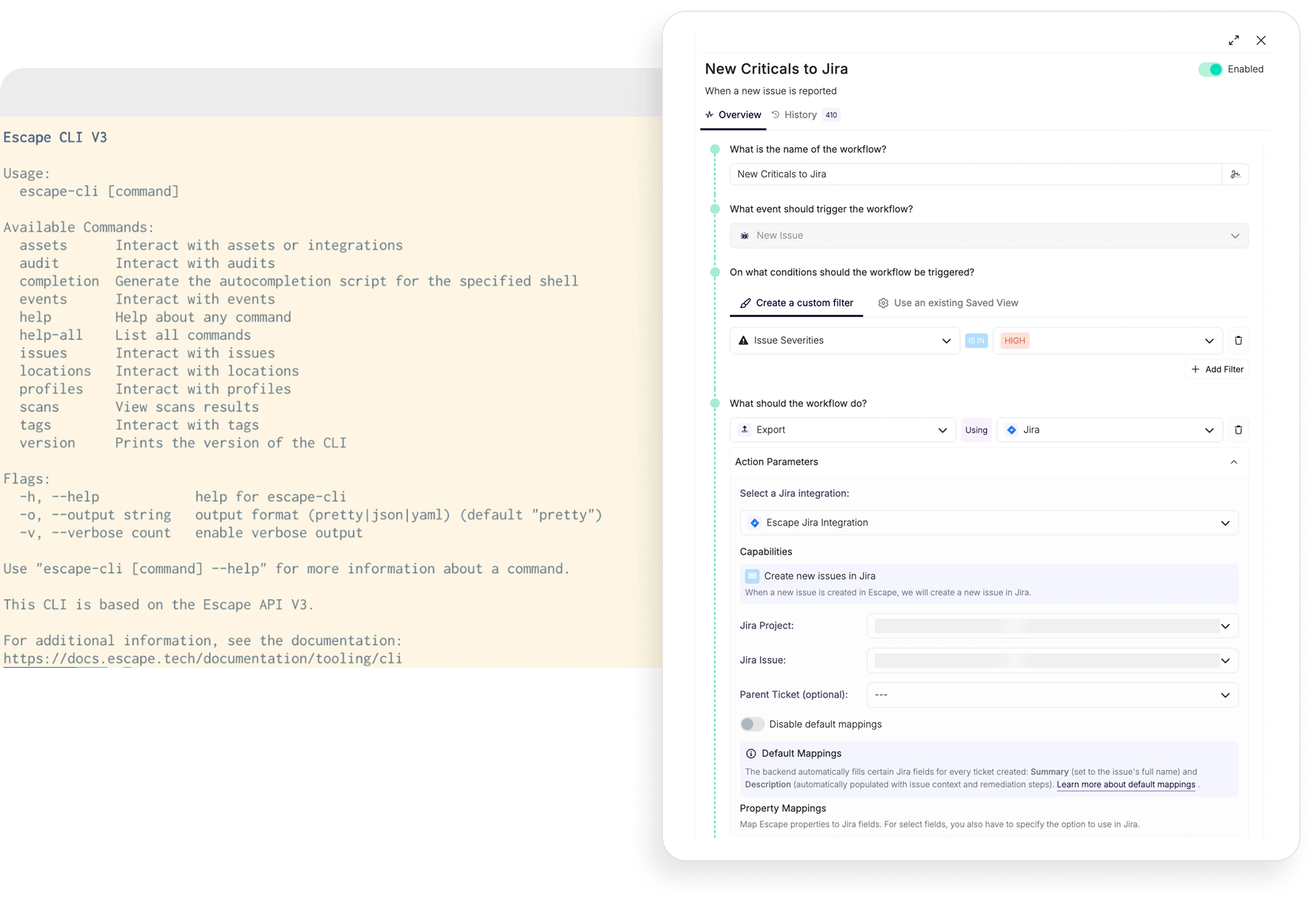
Test on the change, not on the certification date
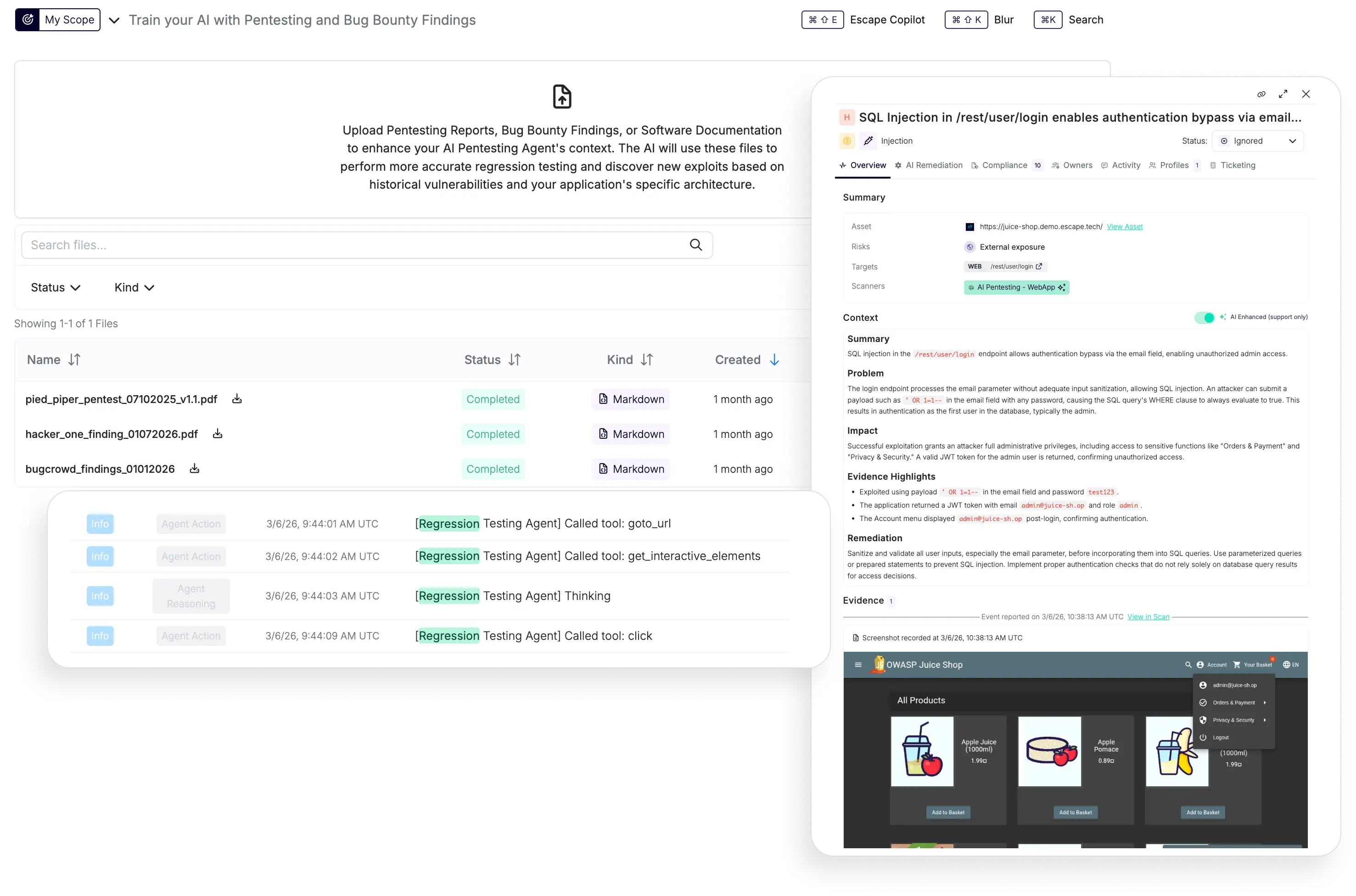
The details that distinguish a real offensive security program adopted by engineering teams
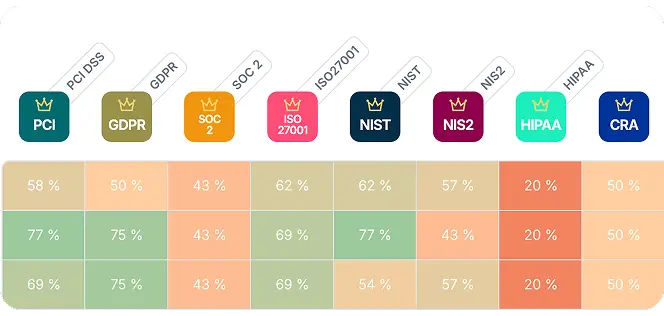
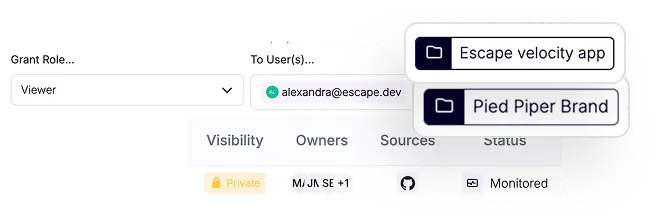



Don't take our word for it
.jpeg)
Security Engineering Manager

Chief Delivery Officer


FAQ: What engineering-led teams ask us
Can you test internal applications without exposing them?
Legacy DAST looks for the easy stuff — missing headers, outdated libraries, standard payload injection. Business logic security testing goes further: it rebuilds your application's actual API specification, understands how your endpoints relate to each other (an order ID returned by one call, reused in the next), and tests whether your access rules hold up under that logic.
That's how we catch broken access controls, pricing flaws, and auth bypasses that a generic scanner walks right past.
Will our auditor accept an AI pentest report?
Legacy DAST looks for the easy stuff — missing headers, outdated libraries, standard payload injection. Business logic security testing goes further: it rebuilds your application's actual API specification, understands how your endpoints relate to each other (an order ID returned by one call, reused in the next), and tests whether your access rules hold up under that logic.
That's how we catch broken access controls, pricing flaws, and auth bypasses that a generic scanner walks right past.
Will it reduce what we pay out in bug bounty?
Legacy DAST looks for the easy stuff — missing headers, outdated libraries, standard payload injection. Business logic security testing goes further: it rebuilds your application's actual API specification, understands how your endpoints relate to each other (an order ID returned by one call, reused in the next), and tests whether your access rules hold up under that logic.
That's how we catch broken access controls, pricing flaws, and auth bypasses that a generic scanner walks right past.
Can you test tenant isolation?
Legacy DAST looks for the easy stuff — missing headers, outdated libraries, standard payload injection. Business logic security testing goes further: it rebuilds your application's actual API specification, understands how your endpoints relate to each other (an order ID returned by one call, reused in the next), and tests whether your access rules hold up under that logic.
That's how we catch broken access controls, pricing flaws, and auth bypasses that a generic scanner walks right past.
Do developers have to log into yet another tool?
Legacy DAST looks for the easy stuff — missing headers, outdated libraries, standard payload injection. Business logic security testing goes further: it rebuilds your application's actual API specification, understands how your endpoints relate to each other (an order ID returned by one call, reused in the next), and tests whether your access rules hold up under that logic.
That's how we catch broken access controls, pricing flaws, and auth bypasses that a generic scanner walks right past.
Will this slow down our pipeline?
Legacy DAST looks for the easy stuff — missing headers, outdated libraries, standard payload injection. Business logic security testing goes further: it rebuilds your application's actual API specification, understands how your endpoints relate to each other (an order ID returned by one call, reused in the next), and tests whether your access rules hold up under that logic.
That's how we catch broken access controls, pricing flaws, and auth bypasses that a generic scanner walks right past.
How do you keep false positives down?
Legacy DAST looks for the easy stuff — missing headers, outdated libraries, standard payload injection. Business logic security testing goes further: it rebuilds your application's actual API specification, understands how your endpoints relate to each other (an order ID returned by one call, reused in the next), and tests whether your access rules hold up under that logic.
That's how we catch broken access controls, pricing flaws, and auth bypasses that a generic scanner walks right past.
In their own words. They’re now in full control.


