
Business Logic Security Testing
Go beyond missing headers and low criticality findings. Leverage your DAST budget to achieve real application hardening with Business Logic Security Testing, powered by AI Agents


Your team is 100x smaller than your engineering org.
You can’t keep up without deep testing and automation.
What is AI-Powered Business Logic Security Testing and how does it differ from legacy DAST?
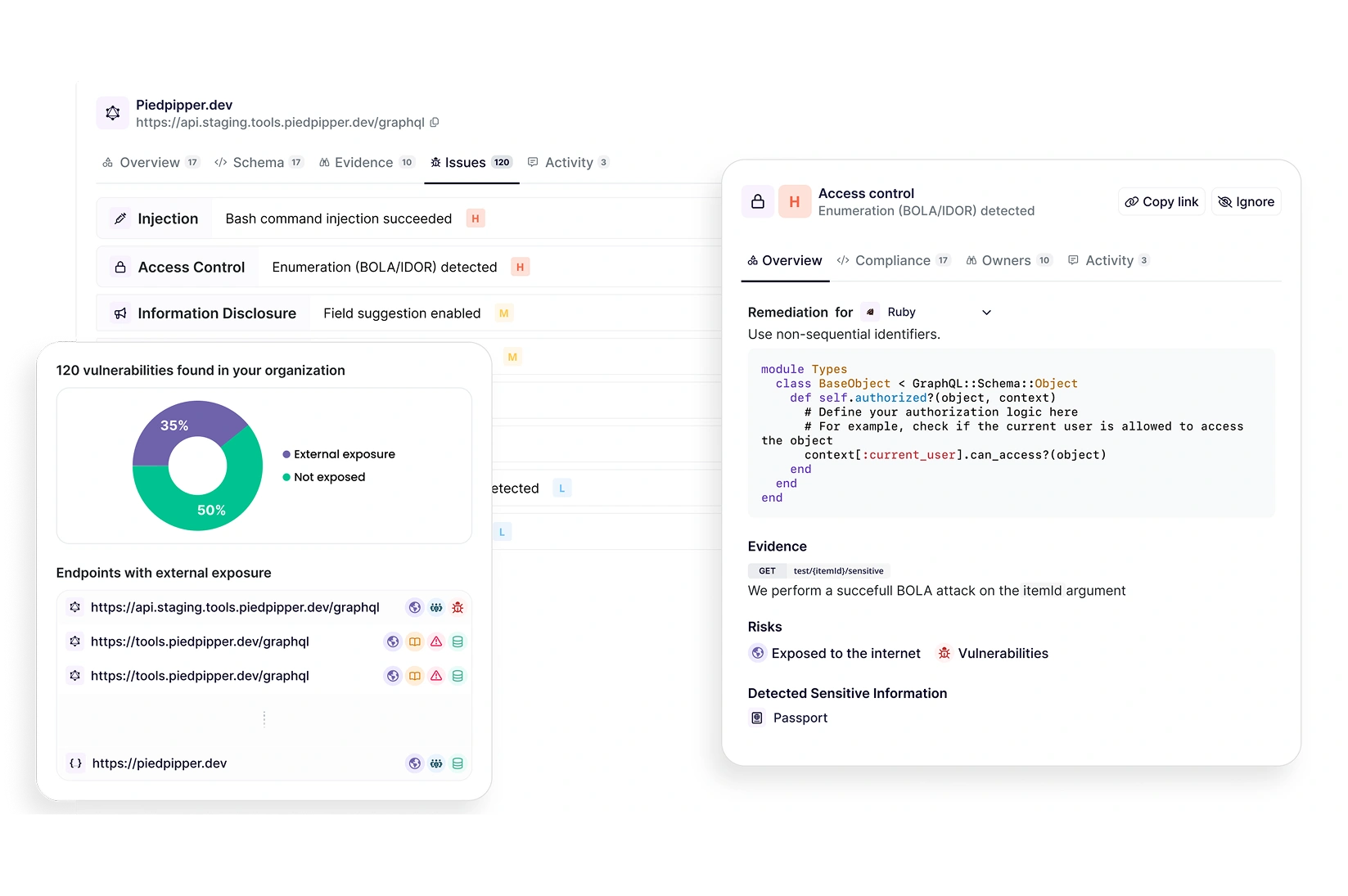
Easily test your applications in depth with Business Logic Security Testing
• Find and fix business logic flaws, BOLAs & IDORs, maximize coverage, and reduce noise with our business logic approach to testing
• Avoid recurring complex issues by adding customs rules and tests that are tailor made to your business flows
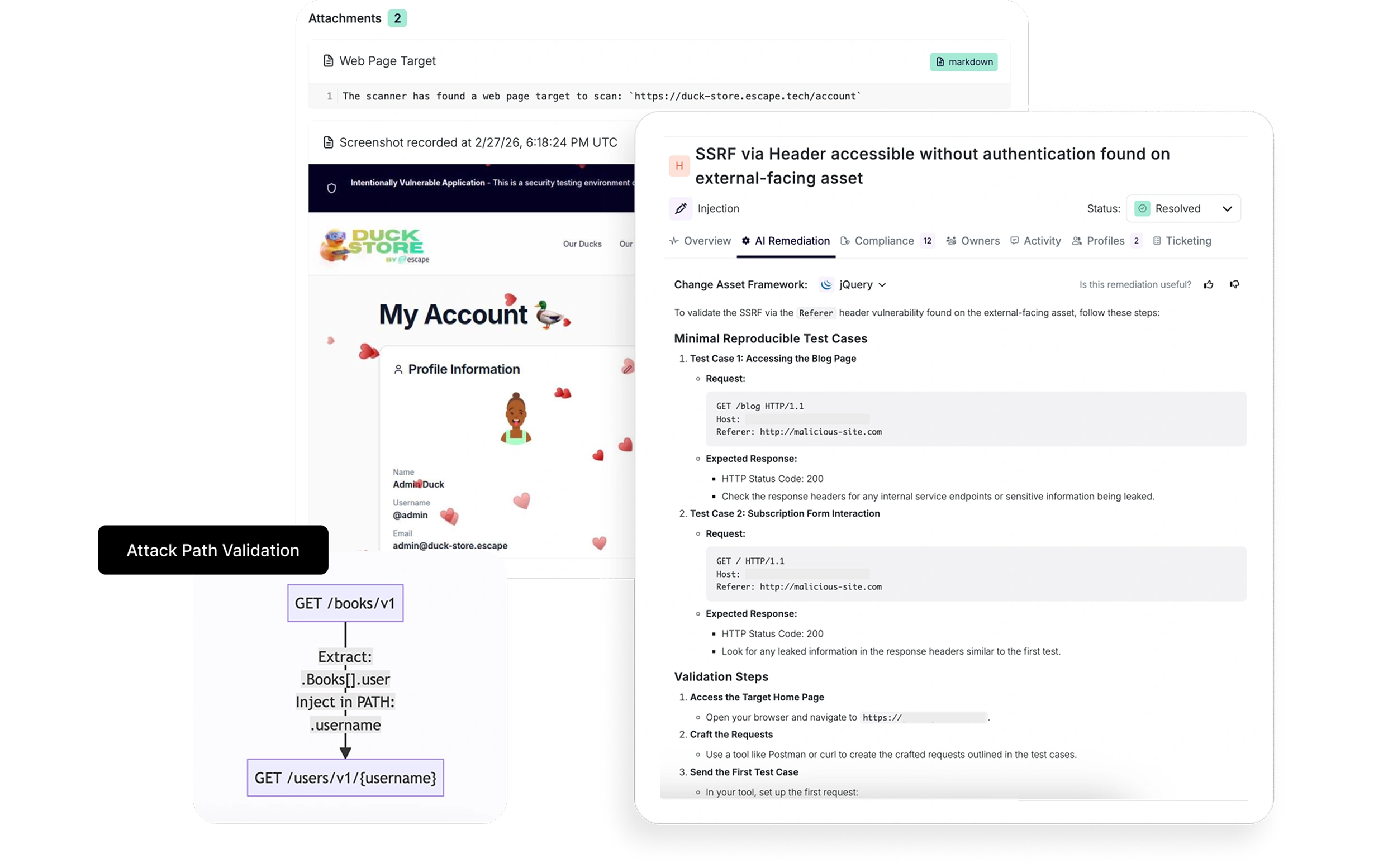
Seamlessly operationalize security testing from scan setup to remediation
• Fix and triage issues efficiently thanks to contextual risk scoring and automated removal of false-positives
• Empower developers to fix issues easily with auto-generated code remediations tailored to their frameworks
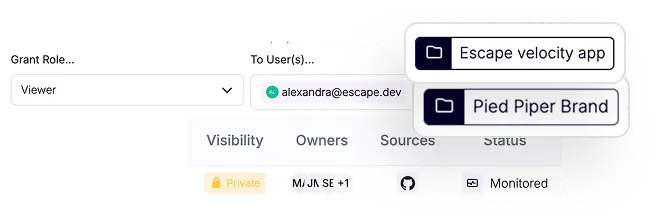
• Test private and internal apps easily with Private Locations
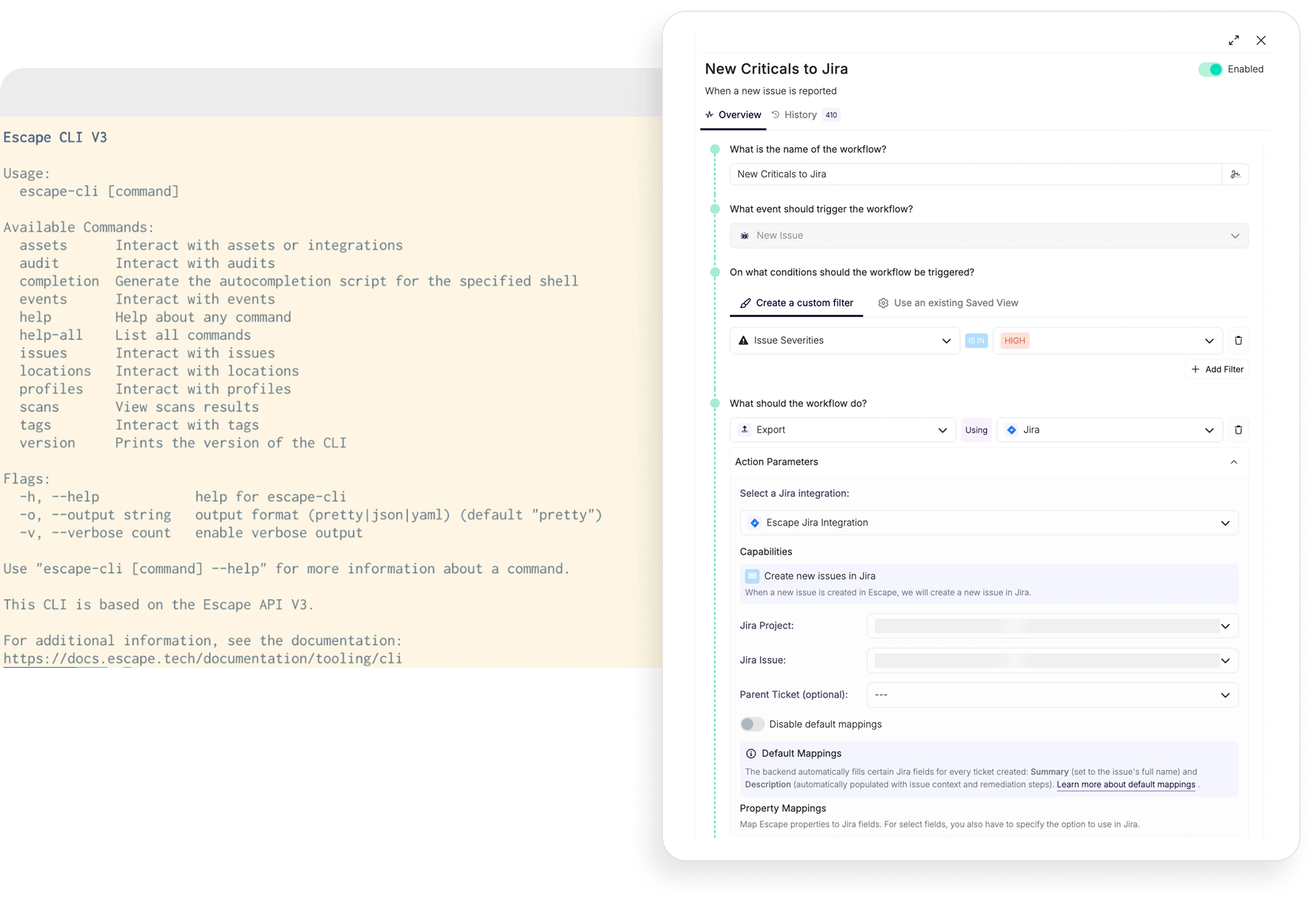
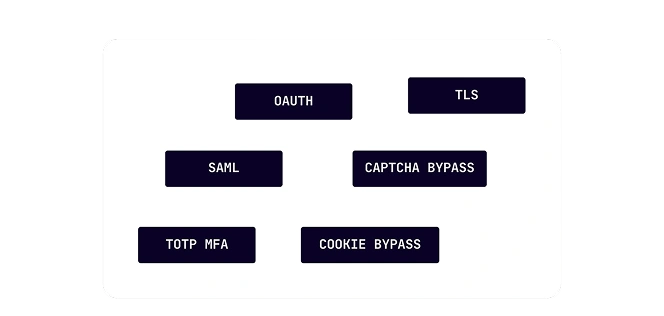
The details that make the difference between a scanner and a security engineering platform.

Business Logic Security Testing: FAQ
How long does a scan take?
Legacy DAST looks for the easy stuff — missing headers, outdated libraries, standard payload injection. Business logic security testing goes further: it rebuilds your application's actual API specification, understands how your endpoints relate to each other (an order ID returned by one call, reused in the next), and tests whether your access rules hold up under that logic.
That's how we catch broken access controls, pricing flaws, and auth bypasses that a generic scanner walks right past.
Which technologies and frameworks does Escape DAST support?
Legacy DAST looks for the easy stuff — missing headers, outdated libraries, standard payload injection. Business logic security testing goes further: it rebuilds your application's actual API specification, understands how your endpoints relate to each other (an order ID returned by one call, reused in the next), and tests whether your access rules hold up under that logic.
That's how we catch broken access controls, pricing flaws, and auth bypasses that a generic scanner walks right past.
What compliance standards does Escape help with?
Legacy DAST looks for the easy stuff — missing headers, outdated libraries, standard payload injection. Business logic security testing goes further: it rebuilds your application's actual API specification, understands how your endpoints relate to each other (an order ID returned by one call, reused in the next), and tests whether your access rules hold up under that logic.
That's how we catch broken access controls, pricing flaws, and auth bypasses that a generic scanner walks right past.
Does Escape's DAST support CI/CD integration?
Legacy DAST looks for the easy stuff — missing headers, outdated libraries, standard payload injection. Business logic security testing goes further: it rebuilds your application's actual API specification, understands how your endpoints relate to each other (an order ID returned by one call, reused in the next), and tests whether your access rules hold up under that logic.
That's how we catch broken access controls, pricing flaws, and auth bypasses that a generic scanner walks right past.
How is DAST different from SAST?
Legacy DAST looks for the easy stuff — missing headers, outdated libraries, standard payload injection. Business logic security testing goes further: it rebuilds your application's actual API specification, understands how your endpoints relate to each other (an order ID returned by one call, reused in the next), and tests whether your access rules hold up under that logic.
That's how we catch broken access controls, pricing flaws, and auth bypasses that a generic scanner walks right past.
Does Escape DAST cover business logic testing?
Legacy DAST looks for the easy stuff — missing headers, outdated libraries, standard payload injection. Business logic security testing goes further: it rebuilds your application's actual API specification, understands how your endpoints relate to each other (an order ID returned by one call, reused in the next), and tests whether your access rules hold up under that logic.
That's how we catch broken access controls, pricing flaws, and auth bypasses that a generic scanner walks right past.
What changes when your AppSec team uses Escape



Schedule a call with one of our experts
Don't take our word for it
.jpg)
Sr.AppSec Manager

.jpeg)
Sr.Security Architect
.png)
DAST that works where you already live
Support makes a difference


DAST is just the beginning. Here is everything you need for continuous
offensive security.

Pentesting